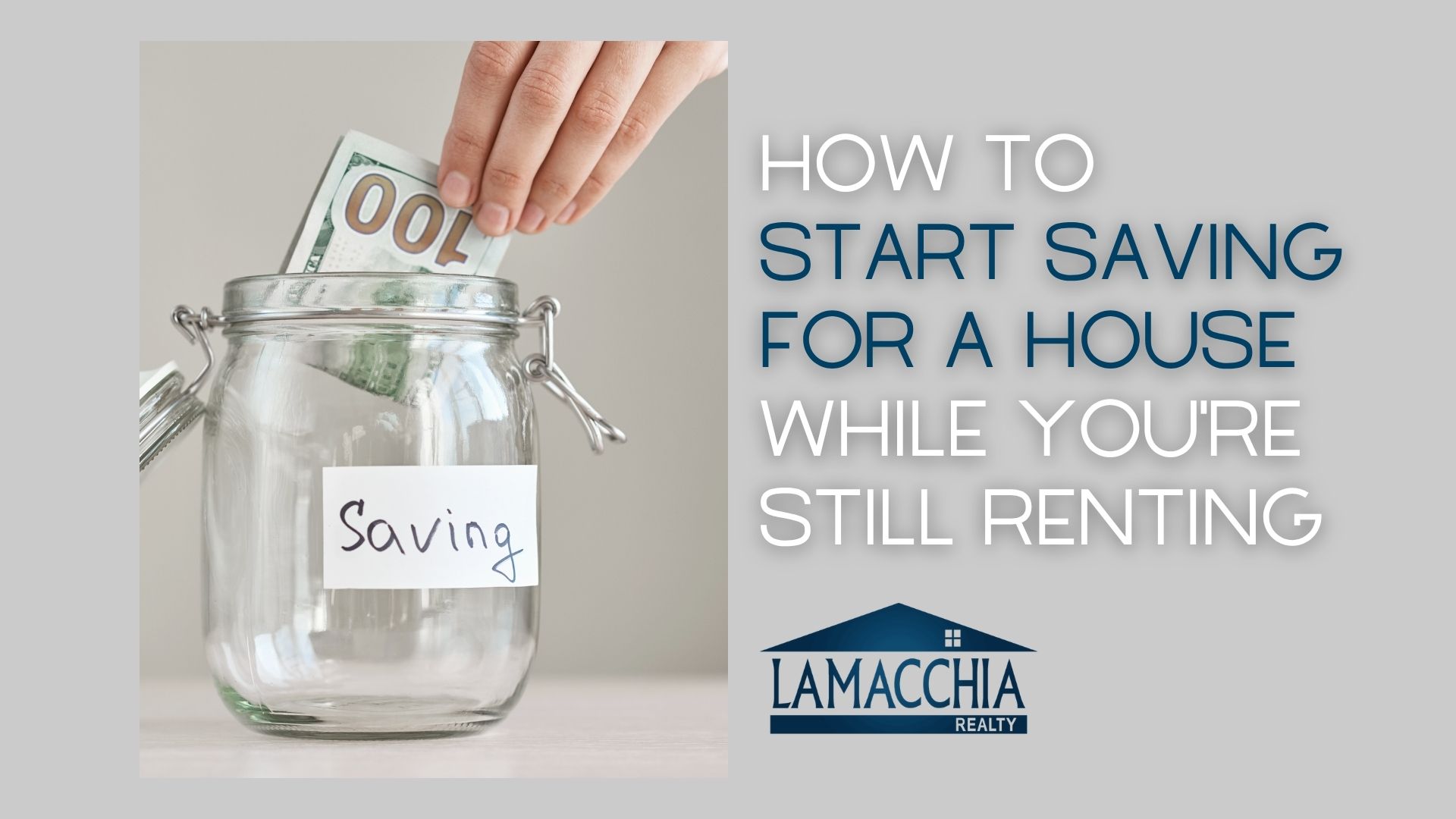
Owning a home is not only a life goal for many people, but it can also be a way to help ensure financial security for their families. Data published by the Federal Reserve shows the median homeowner holds almost 40 times the household wealth of renters, making homeownership an attractive prospect.
However, with the median home price in America eclipsing $436,523 in 2026, finding enough money to begin saving for even just a 10-20% down payment might seem like an impossible task.
While taking meaningful steps to save for a house is by no means easy, dedicating yourself to making a few smart financial adjustments can make it entirely possible. For renters wishing to take their first step onto the property ladder, below are 6 actionable tips to start saving for a house while renting.
1. Start a Down Payment Fund
A down payment is the upfront cash you need to pay to purchase a home. While it’s common for a down payment to equal 10-20% of a home’s purchase price, some smart planning can reduce this figure significantly. In fact, the National Association of REALTORS® (NAR) reveals that most first-time homebuyers actually pay between 6-9% on average as a down payment.
When saving for a down payment as a renter, your percentage will depend on the type of mortgage loan you secure, so it’s wise to review all available options. Common types of mortgage loans include:
- Conventional Fannie Mae/Freddie Mac Loans
- Jumbo Loans
- VA Loans
- FHA Loans
- USDA Loans
- Adjustable Rate Mortgages
- And more!
2. Organize Your Financial Life
In order to save for a house, you’ll need to ensure your day-to-day finances are in order. Home buying costs can be mitigated to some extent by demonstrating to mortgage lenders that you’re sensible with money, so taking the time to financially prepare for homeownership is always a smart decision.
Important factors to consider include:
-
Credit Score:
Conventional mortgages typically require a credit score of 620+. Keep in mind that factors like missed credit card payments and outstanding debts can negatively impact your credit score.
-
Financial Documents:
Lenders require evidence of your financial history, so make sure to keep records of things like bank statements, investment account records, tax returns, and pay stubs.
-
Debt-To-Income (DTI) Ratio:
This concerns the percentage of your income that you pay per month to satisfy debts.

3. Cut Out Unnecessary Expenses
Cutting out avoidable costs can help you to save some extra cash and put more money aside to cover your down payment, as well as help you to better organize your financial life overall. Avoid impulse purchases like coffee and take-out meals, and consider renegotiating ongoing subscription costs like:
- TV and streaming services
- Cell phone payment plans
- Insurance policies
- Internet packages
- Software subscription fees
4. Open a Down Payment Savings Account
Cutting out costs can help you save extra money, but securing some of your monthly income alongside any gift money you receive in a separate savings account can have a greater impact on your ability to save for a home. Making monthly payments to an account with a good interest rate will set you up to create a reliable savings plan and prepare you for later tasks like making a monthly mortgage payment.
Consider one of the following types of savings accounts:
-
Money Market Accounts (MMA):
Opening a money market account can help you to save money for a house without locking your funds away. MMAs often offer higher interest rates than a typical savings account, helping you earn money over time, but you can still release funds when needed.
-
High-Yield Savings Accounts (HYSA):
HYSA accounts offer interest rates that can be 10-20 times higher than the national average, forming the basis of a solid savings plan. Making a direct deposit to a HYSA as part of your monthly budget can be a great way to start saving for a down payment.
5. Automate Your Savings Accounts
Making the most of your take-home pay in an account with a good savings rate can be simplified by setting up an automated monthly payment transfer. Consider this like your other fixed expenses; only in this case, your spending money will be put to good use earning interest for your down payment.
Automated savings can be combined with down payment assistance programs to help renters secure enough funds to buy their first home. Combining savings, gift money, and low-interest loans offered by down payment assistance programs has helped many homeowners purchase their properties.
6. Explore Extra Avenues of Income
Finally, it can also be worth looking for ways to earn a little extra income to supplement your existing wages. Money secured through odd jobs and freelance work can help to enhance your savings plans, but remember, any earnings over $400 per year will be subject to income tax.
A few ideas to consider include:
- Selling items online
- Internet freelancing services
- Part-time delivery services
Tired of Renting? Lamacchia Realty Can Help!
When it comes to renting versus buying, the benefits of homeownership outweigh the latter. From fixed payments to complete control over the home you’re living in, and having your payments going directly into the home instead of to a landlord, buying is the right track to take. With the market in a transitional period which will continue for the foreseeable future, it’s important to do your research to truly understand how these changes will impact your home buying decisions.
I, along with my team at Lamacchia Realty, am equipped with the latest market insights and trends, ensuring that you make well-informed choices tailored to your unique needs and goals. Whether you’re a first-time homebuyer or looking to upgrade or downsize, I’m committed to providing personalized service and expertise to help you find the perfect home. I am here to support you in making one of life’s most significant investments and am eager to help you turn your homeownership dreams into a reality.
The post How to Start Saving For a House While You’re Still Renting first appeared on Lamacchia Realty.